

Artificial intelligence (AI) and machine learning (ML) applications play a critical role in an increasingly data-driven world. Yet their growing use can also make them vulnerable to cyberattacks. This is where Palo Alto Networks AI Runtime Security comes in: it protects AI and ML models and datasets and gives organisations comprehensive security. In this article we look at its capabilities, use cases and how it works.
What is AI Runtime Security?
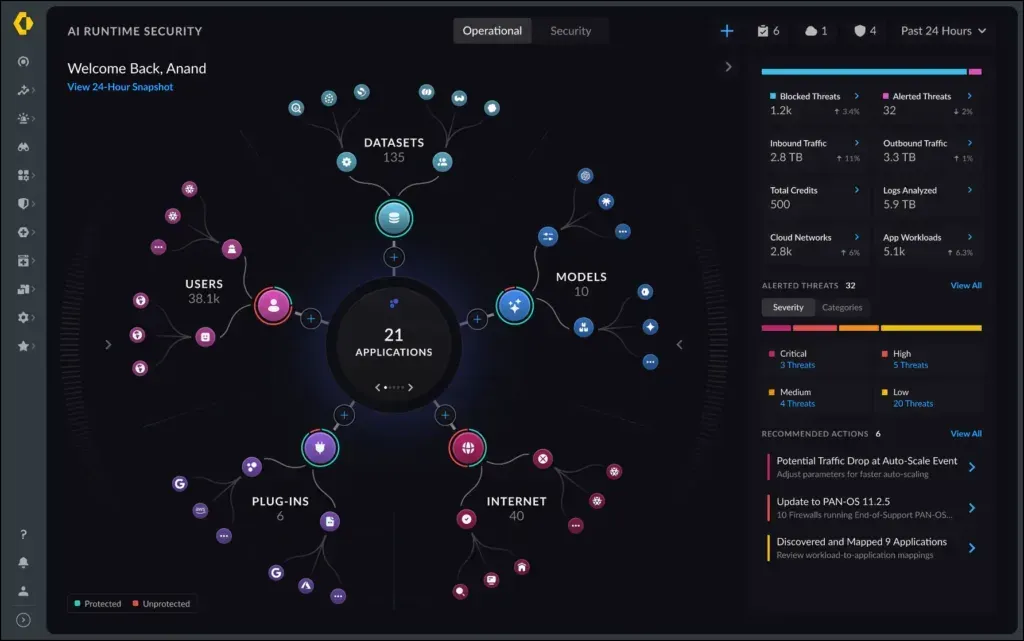
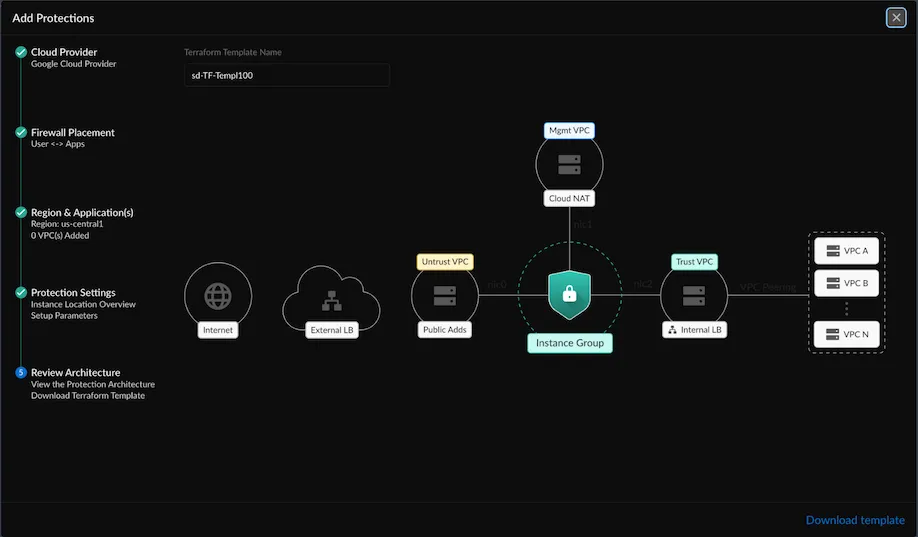
AI Runtime Security is a security solution that protects the environments where AI and ML applications run, in real time. It secures AI models with a dynamic, proactive approach to cyber threats. Built specifically for AI applications, it focuses on detecting and preventing AI-based threats, unlike traditional security tools.
Key capabilities
- Protection against zero-day threats: Zero-day attacks are a serious threat to AI environments. AI Runtime Security detects and stops them proactively.
- Preventing model abuse: Abuse of AI models can lead to manipulated results or crashed models. Palo Alto Networks uses advanced algorithms to protect against such attacks.
- Sensitive data protection: AI applications often work with sensitive data, and protecting it is critical. AI Runtime Security prevents data leakage and preserves data privacy.
- Dynamic threat monitoring: AI environments constantly face new threats. AI Runtime Security monitors them in real time and intervenes automatically when necessary.
How does it work?
AI Runtime Security is built on detecting threats in AI and ML environments and responding to them quickly. It prevents zero-day threats and unknown attacks with adaptive security strategies, using machine learning and behavioural analysis to detect and prevent threats.
- AI-based threat detection: identifies threats quickly and takes the necessary action.
- Adaptive security strategies: AI environments change and evolve constantly, so AI Runtime Security adapts rapidly to these changes.
Use cases and benefits
- Financial services: Banks and financial institutions use AI and ML for fraud detection, risk analysis and customer service. Securing these environments is critical to protect sensitive customer and financial data.
- Healthcare: AI is used for disease prediction, drug discovery and patient data analysis. AI Runtime Security helps protect this sensitive health data.
- Public sector: Government agencies use AI and ML for security and defence, where securing these systems is vital for national security.
Best practices for AI security
- Secure your AI models: Security controls during training and deployment form the first line of defence.
- Protect your datasets: Datasets determine the accuracy and reliability of AI and ML models, so their integrity and confidentiality must be protected.
- Integrate security strategies: Building solutions such as AI Runtime Security into your enterprise security strategy provides comprehensive protection.
Looking ahead
The growing use of AI and ML brings new security requirements. Palo Alto Networks AI Runtime Security answers them by protecting AI applications, and as AI- and ML-based threats increase, such solutions will become even more important.
Conclusion
AI Runtime Security is a modern, dynamic approach to securing AI and ML environments. It helps organisations prepare proactively for AI-based threats and keeps AI applications secure.
This article is an introduction to AI Runtime Security. For technical details and to discuss your AI projects, contact our team.